Mid-Winter Chimney Problems and How Homeowners Can Prevent Them
Mid-winter chimney problems don’t happen suddenly. They are usually outcomes of small issues that started earlier in the season and turned worse due to several factors like cold weather, moisture, and repeated use. For homeowners, it is important to understand these problems early, as it helps them avoid safety risks, costly repairs, and frustrating fireplace performance.
In this blog, we explain the most common chimney problems in winter, why they happen, and what homeowners can do to prevent them.
Why Chimney Problems Are More Common in Winter
The winter season creates the perfect conditions for chimney issues. Cold air outside, warm air inside, sealed homes, and frequent fireplace use all put extra stress on the chimney system.
During winter:
● Fireplaces are used more often
● Temperature differences affect airflow
● Moisture freezes and expands
● Any existing buildup becomes more dangerous
That’s why issues that went unnoticed in the fall often become obvious by mid-winter.
Poor Draft and Weak Airflow
One of the most common winter fireplace issues that homeowners in Virginia have to deal with is poor draft. Draft is what allows smoke, gases, and byproducts of combustion to rise up and exit the chimney safely.
In winter, poor draft often happens because:
● Cold air sits inside the chimney flue
● Creosote buildup narrows the passage
● The chimney cap is blocked by debris or ice
● Homes are tightly sealed, which limits the makeup air
When the chimney draft is weak, smoke struggles to rise, leading to sluggish fires and poor performance.
How to Prevent It
Before winter begins, a professional inspection can confirm that the flue is clear and sized correctly. During winter, homeowners should not use the fireplace if the draft feels weak or inconsistent, and they must call chimney experts for a thorough chimney inspection and check.
Helpful Reading: How Can I Fix the Backdraft in My Chimney
Smoke Backup Into the Home
Smoke backup is one of the most noticeable chimney problems homeowners face in winter. This happens when, instead of moving upward, smoke spills back into the room, resulting in bad odors, soot, and discomfort for the residents.
This issue is often linked to:
● Poor draft
● Blockages such as nests or debris
● Heavy creosote buildup
● Cold flue temperatures
Smoke backup is more than a nuisance. It can affect indoor air quality and expose occupants to harmful particles.
How to Prevent It
If smoke enters the home, the fireplace should not be used until the chimney is evaluated. Regular chimney cleaning and inspection help ensure that airflow inside the chimney is optimum throughout the winter season.
Creosote Buildup Becomes More Dangerous in Winter
Creosote buildup is a normal byproduct of burning wood, but it becomes especially problematic in winter when fireplaces are used frequently.
As creosote accumulates:
● The flue becomes narrower
● Draft efficiency decreases
● The risk of fire hazards increases
● Odors become stronger, especially in damp weather
Mid-winter is when creosote buildup often reaches a critical point if the chimney was not cleaned earlier in the season.
How to Prevent It
Annual chimney cleaning before winter is the most effective way to prevent creosote-related problems. Using properly seasoned wood and avoiding slow, smoldering fires are two of the few things homeowners must focus on to reduce creosote accumulation.
Freeze–Thaw Damage to the Chimney Structure
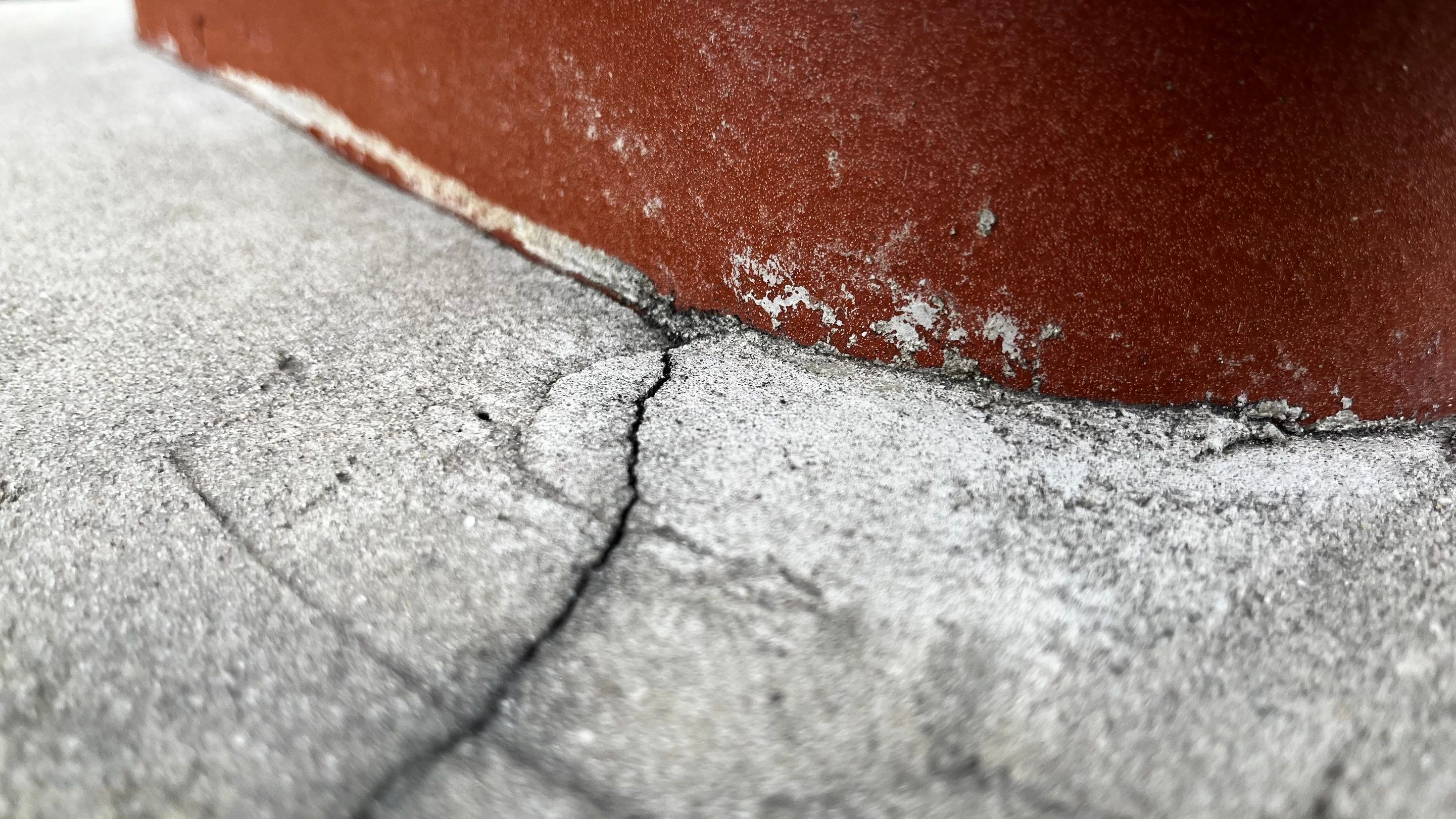
The winter season exposes your chimney to a less obvious but serious problem: freeze–thaw damage. When moisture enters the chimney through cracks, mortar joints, or the crown, it can freeze as temperatures drop.
As water freezes, it expands, and with time, repeated freezing and thawing can lead to:
● Crack masonry
● Damage mortar joints
● Loosen bricks
● Weaken the chimney structure
This type of damage often worsens during mid-winter and becomes visible only later.
How to Prevent It
Installing properly sized chimney caps, intact crowns, and sealing the masonry surfaces helps keep the chimney safe from moisture. Regular chimney inspections, on the other hand, can help identify early signs of freeze–thaw damage before structural repairs are needed.
Chimney Odors During Cold Weather
In several cases, we have received calls from homeowners about strong chimney odors in winter, even when the fireplace is not in use. These smells are often caused by:
● Moisture interacting with creosote
● Obstructed or blocked airflow
● Temperature changes inside the flue
Cold air can push odors downward, allowing them to enter the living space.
How to Prevent It
Keeping the chimney clean and dry is the key to avoiding unpleasant odors during the winter season. A properly installed chimney cap and choosing routine chimney maintenance minimizes odor issues throughout the season.
Blockages From Debris or Animals
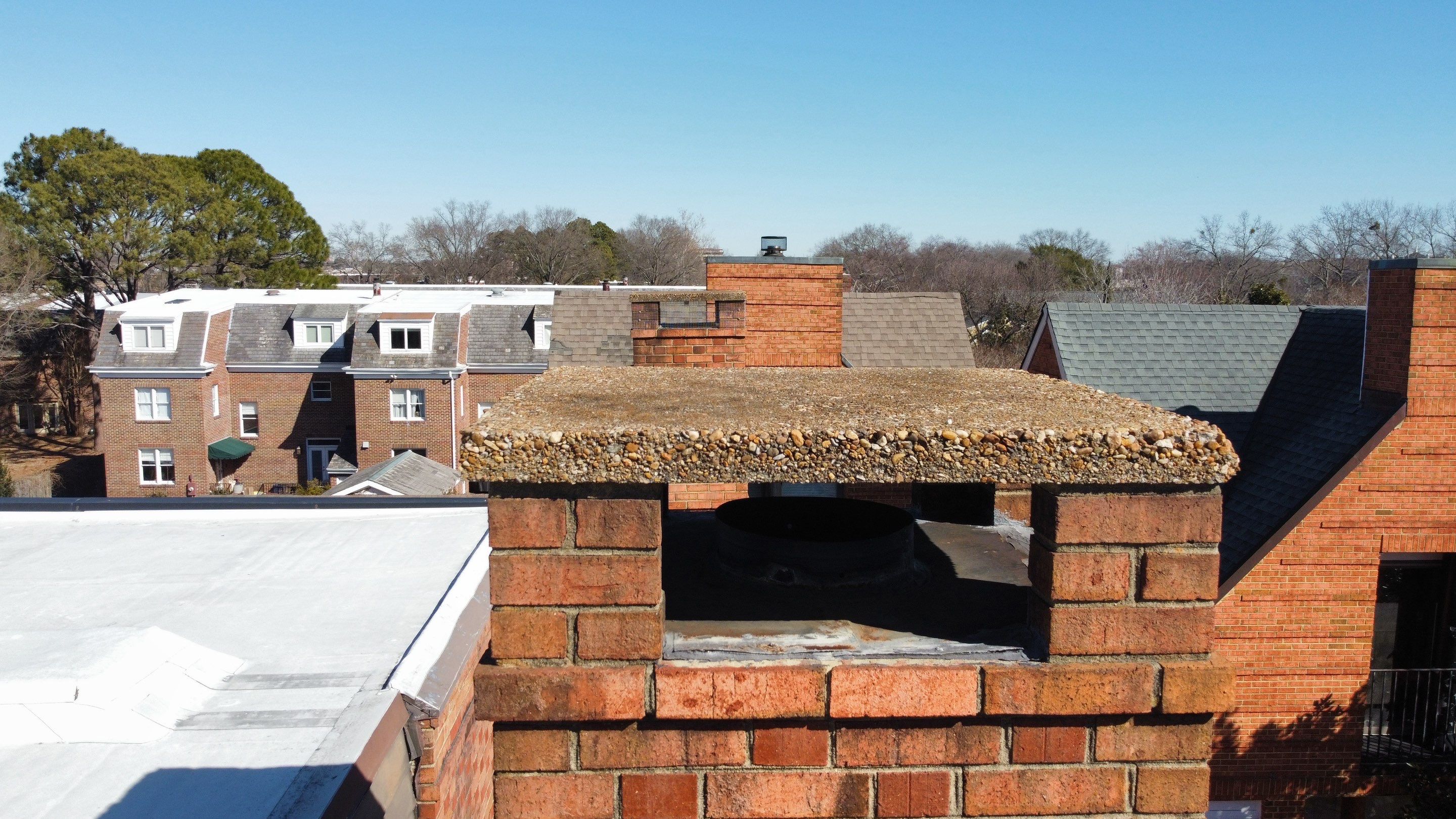
Winter storms and low temperatures can convert minor air flow obstructions into major problems. Leaves, nests, or ice buildup can also block the chimney flue partially or completely.
Blockages restrict airflow and also increase the risk of smoke backup and carbon monoxide exposure, which is definitely not good for you and your family.
How to Prevent It
Using a properly-sized chimney cap plays a critical role in keeping debris and animals out. Timely chimney maintenance and inspections ensure that blockages are identified before they affect the chimney operations mid season.
Why Preventive Care Matters More Than Mid-Winter Fixes
Addressing chimney problems in the middle of winter is more difficult plus expensive than preventing them before the situation arises. It is because the cold weather demands active use of the chimney, and safety concerns limit what can be done quickly to fix the issue.
Preventive care helps homeowners:
● Avoid mid-season service disruptions
● Reduce safety-related risks
● Extend chimney durability
● Enjoy consistent fireplace performance
Related Reading: How To Prepare a Chimney for Winter
Hire the Best Chimney Sweep Company in Virginia
Most chimney problems in winter don’t start right in the middle of the season; they are a result of low-quality chimney maintenance. Poor draft, smoke backup, creosote buildup, and freeze–thaw damage all develop over time and worsen with cold weather and frequent use.
Homeowners who choose routine chimney inspections and cleaning are likely to experience fewer chimney problems.
A Step in Time Chimney Sweeps, with an experience of more than 25 years, is driven by Mr. Ray Gessner, a professional chimney expert who knows the root cause of every chimney problem and has resolved hundreds of thousands of such chimney issues in Virginia.
Have a doubt?
Book a chimney inspection today with us and let our experienced technicians fix the problem. Call (804) 244-6639 today to book your inspection with A Step in Time Chimney Sweeps.

Connor H.
Connor is expert in understanding various chimney repair.