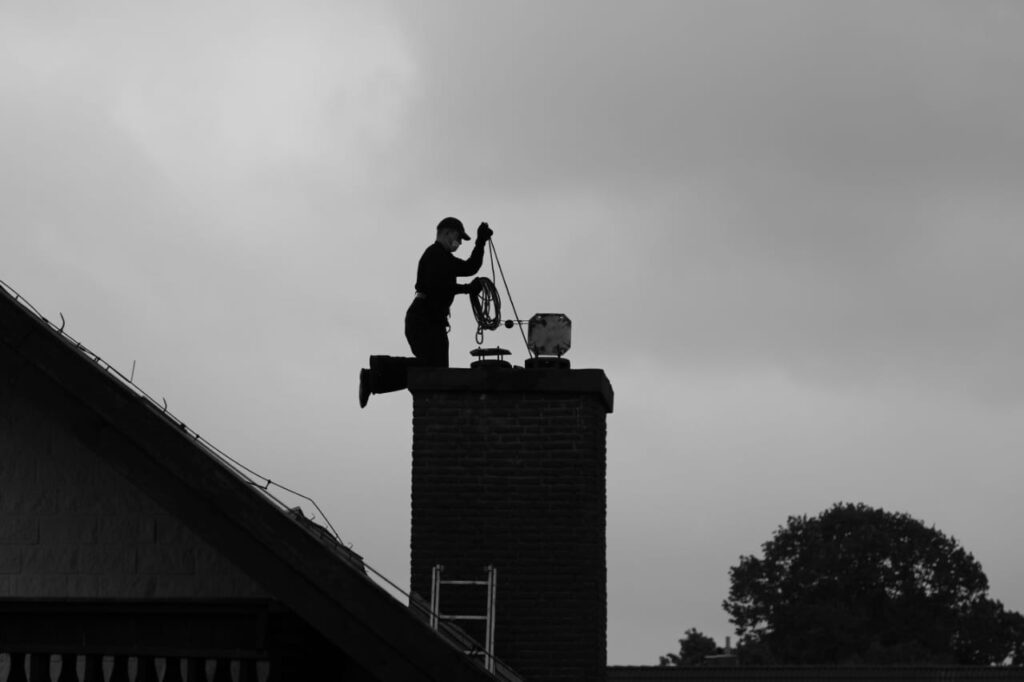
What is Level 2 Chimney Inspection?
If you’ve started looking into chimney inspections, you’ve probably run into the term “Level 2” without much explanation of what it actually means. Here’s the short version: it’s the inspection level you need when something about your chimney has changed, or when you simply want more certainty than a quick visual check can give you. Understanding the difference between inspection levels is the first step before you book chimney inspection services for your home.
The basics
A standard inspection covers what’s visible without tools the firebox, the damper, the parts of the flue you can see from the fireplace or the roof. A Level 2 inspection adds a video camera scan down the entire length of the flue, which is the only real way to check for cracked liners, blockages, or heat damage that never shows up from the outside.
This is the level most Chimney Inspection Services companies will recommend whenever there’s a reason to take a closer look rather than just confirm nothing’s obviously wrong. A reliable provider of Chimney Inspection Services will walk you through exactly why a Level 2 is being recommended in your specific case.
When it’s actually called for
You don’t need a Level 2 every year. It tends to come up in a handful of specific situations:
- Buying or selling a home. A fireplace chimney inspection is one of the more common requests during a home sale, since hidden chimney damage is exactly the kind of thing that doesn’t show up in a normal walkthrough. Many real estate agents now recommend a fireplace chimney inspection as a standard part of closing.
- After a chimney fire, even a small one the heat alone can crack a liner or loosen mortar joints you won’t notice until the next time it’s used.
- After a storm, since wind, rain, and hail can get into masonry and flashing without leaving anything visible from the ground.
- Switching to a new appliance or fuel type, like moving from wood to gas, where the chimney needs to be confirmed as compatible.
- After repair work, to confirm the fix actually solved the problem.
Outside of these specific triggers, routine chimney inspections are still worth scheduling on a regular basis, simply to catch small issues before they grow into expensive ones.
What the technician checks
A full Level 2 covers the fireplace, firebox, damper, smoke chamber, liner, crown, cap, masonry, flashing, and the exterior structure plus the flue interior via camera, and any attic or crawl space areas around the chimney that can be reached. This is also where most homeowners realize how much a basic visual check actually misses.
Common findings
The things that turn up most often once a camera goes into the flue: cracked liners, creosote buildup, blockages from debris or nesting animals, and water damage in the form of cracked crowns or failing flashing. None of these are unusual they’re just hard to catch without the right equipment, which is the whole reason chimney inspections at this level exist. Catching these issues early through proper chimney inspections almost always costs less than waiting until they become visible on their own.
Booking one
The best time to book chimney inspection services is before the weather turns cold, so there’s time to handle repairs before you actually need the fireplace. If you’ve bought a house or been through a storm, there’s no reason to wait for a seasonal reminder. When you book chimney inspection appointments early, you also have more flexibility in scheduling, rather than competing with everyone else booking last-minute before winter.
A Level 2 inspection isn’t about finding problems for the sake of it, it’s about knowing for certain that a chimney is safe to use, especially after the kind of event that a routine check wouldn’t catch. Whether you need a one-time fireplace chimney inspection or are setting up annual chimney inspections going forward, working with an experienced Chimney Inspection Services team is what makes the results actually trustworthy.
Frequently Asked Questions
What is a Level 2 chimney inspection?
It’s a more thorough version of the standard chimney check. Along with everything covered in a basic visual inspection, a technician runs a video camera down the flue to catch cracks, blockages, or damage that you’d never see just by looking up from the fireplace or down from the roof.
How does it differ from a Level 1 inspection?
A Level 1 sticks to what’s reachable without any tools the firebox, the damper, the visible sections of the flue. Level 2 adds the camera scan through the entire flue and also takes a closer look at the crown, cap, flashing, and whatever attic or crawl space areas around the chimney can be accessed.
Is this something I need to schedule every year?
Not really. A Level 2 comes up when there’s a specific reason for it a home sale, a chimney fire, storm damage, a switch in fuel type or appliance, or recent repair work. If nothing’s changed, a standard inspection covers it.
Why do buyers and sellers usually ask for a fireplace chimney inspection?
Because a fireplace can look completely fine while the chimney behind it is hiding damage that a walkthrough would never catch. Buyers want that confirmed before they close, and sellers sometimes get ahead of it by booking an inspection before listing, just to avoid surprises mid-negotiation.
What tends to turn up during these inspections?
Cracked liners, creosote buildup, blocked flues usually from nests or debris and water damage like cracked crowns or failing flashing. None of these are rare findings. They’re just hard to catch without a camera in there, which is the entire point of going beyond a Level 1.
After a chimney fire, is a Level 2 actually necessary?
Yes, even if the fire seemed small at the time. The heat alone can crack a liner or shift mortar joints, and that kind of damage doesn’t show up unless someone’s looking at it with a camera. Best to confirm before lighting another fire.
Can a storm damage my chimney without leaving any visible signs?
It can, and it happens more than people expect. Wind and heavy rain can work their way into masonry and flashing without cracking anything. By the time it’s visible, it’s usually already a bigger repair.
How long does the inspection itself take?
Between 45 minutes and two hours. It depends on how accessible the chimney is and whether the technician runs into something that needs a closer look.
When’s the right time to get this booked?
Before it gets cold out, there’s time to deal with any repairs before you actually need the fireplace. If you’ve just moved into a house, don’t wait for the season to remind you.
What happens once the inspection’s done?
You’ll get a report on the chimney’s condition. If something needs fixing, catching it at this stage is almost always cheaper than waiting for it to get worse.