Not all chimney inspections are the same. The experience of the technician, the methodology they follow, and what they document at the end of the visit can vary a lot between providers. Here’s what a chimney inspection actually involves, and why proper training and credentials make a real difference in the quality of the assessment you get.
What Makes a Chimney Inspection Credible
A trustworthy chimney inspection follows the standards set by the Chimney Safety Institute of America (CSIA) and NFPA 211, the national code governing chimneys and venting systems. These standards define what a thorough inspection should cover, how findings get documented, and what separates a Level 1 inspection from a Level 2 or Level 3.
Why does this matter in practice? A chimney system involves masonry, metalwork, combustion gases, heat transfer, draft dynamics, and building code compliance a lot more than what meets the eye from the living room. An inspection performed by a CSIA-technician gives you a far more complete picture of your chimney’s condition than a quick visual once-over.
At A Step in Time Chimney Sweeps, every inspection is carried out by an experienced, CSIA-professional and includes a written report with photos documenting exactly what was found.
The Three Levels of Chimney Inspection
NFPA 211 breaks chimney inspections into three levels. Knowing the difference helps you pick the right one for your situation.
Level 1
This is the annual standard for a chimney with a known service history and no recent changes in use. It covers all the readily accessible parts of the system firebox, damper, accessible flue interior, smoke chamber, chimney cap, crown, exterior masonry, and rooftop termination.
Our Level 1 inspection starts at $59 and typically includes a rooftop assessment on standard-pitch roofs. Most homeowners having their chimney serviced annually go with this option.
Level 2
A Level 2 inspection includes everything in Level 1, plus a video scan of the full length of the flue interior. This is the level you want if a property is being bought or sold, after any chimney fire (or suspected one), following system modifications like relining or a new appliance, or if a Level 1 turns up something that needs a closer look.
The video scan is really the only reliable way to confirm liner condition along the entire flue you simply can’t see it all from either end. Our Level 2 inspection with video runs $159.
Level 3
This is the most involved option and includes partial disassembly of chimney components to reach areas that are otherwise hidden. It’s reserved for cases where a Level 2 inspection has flagged something that can’t be fully assessed without removing materials.
What a Inspector Actually Checks
Here’s a closer look at what gets covered during a fireplace chimney inspection.
Firebox and smoke chamber. The firebox is checked for cracked firebrick or deteriorating mortar joints damage that, left alone, can let heat reach nearby combustible materials. The smoke chamber above it gets examined for creosote buildup and the condition of the smoke shelf and chamber walls.
Damper. Technicians check that the damper opens and closes fully, seals properly, and isn’t hampered by rust or debris. A damper that doesn’t seal well leaks conditioned air out of your home year-round, which quietly adds to your heating and cooling bills.
Flue liner. The accessible portion of the flue is assessed for creosote stage, liner condition, and any cracking or gaps. On a Level 2 visit, the camera scan documents the entire liner, including sections you’d never otherwise see.
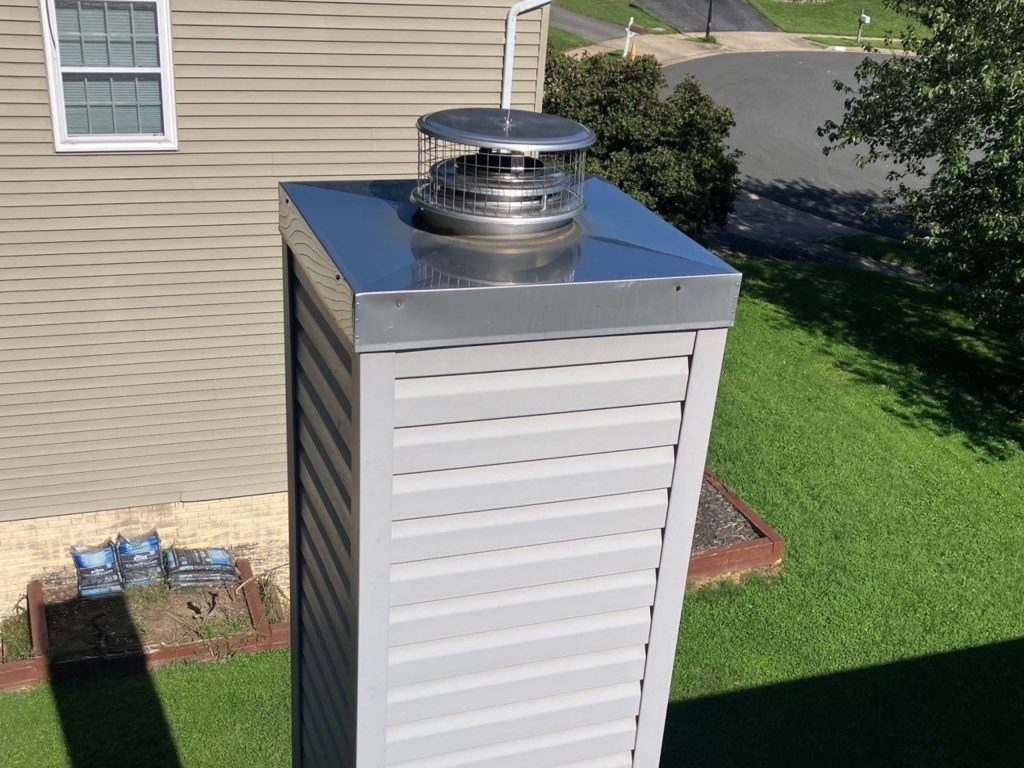
Chimney cap and crown. The cap is checked for fit, condition, and mesh integrity. The crown the concrete or mortar surface around the flue opening is inspected for cracking or spalling that could let water into the chimney structure.
Flashing. The metal flashing where the chimney meets the roofline is checked for a tight seal and any spots where water might be getting in. Failed flashing is one of the most common culprits behind moisture damage in chimney masonry.
Exterior masonry. The outside of the chimney is checked for cracking, spalling, efflorescence (that white mineral staining that signals moisture movement), mortar joint wear, and any structural red flags.
What You Walk Away With
Every inspection from A Step in Time Chimney Sweeps ends with a written service report and photos of what was found. Anything that needs attention is flagged and ranked by urgency, so you have a clear basis for deciding what to do next.
That documentation is useful well beyond the visit itself it becomes a maintenance record you can point to for insurance purposes, real estate transactions, or just tracking how your chimney holds up year over year.
Frequently Asked Questions
What’s included in a chimney inspection? It follows CSIA and NFPA 211 standards, which spell out exactly what gets checked at each level and how findings are documented. Because it’s performed by a trained, technician, you get reliable, well-documented information about your chimney’s actual condition not just a quick glance.
Is this the same as a home inspection? No. A general home inspection is a broad look at a property’s overall condition. A chimney inspection is a focused, technical evaluation of the chimney system specifically, done by someone trained in chimney methodology and NFPA 211 standards. It goes into far more depth than what a home inspector typically covers.
How often do I need one? The NFPA recommends an annual inspection for any chimney in regular use. A Level 2 inspection is called for in specific situations selling or buying a home, after a chimney fire, or following system changes like relining.
How do I book a chimney inspection? Call 833-CHIMNEY or visit chimneysweep.com to book with A Step in Time. Level 1 inspections start at $59.
Book Your Chimney Inspection
A Step in Time Chimney Sweeps provides chimney inspection services across Virginia Beach, Richmond, Northern Virginia, and the surrounding region.
Call 833-CHIMNEY to book your inspection today it takes just a few minutes and secures your spot with a CSIA-+technician.
Frequently Asked Questions
Q: What’s included in a certified chimney inspection?
It follows CSIA and NFPA 211 standards, which define exactly what gets checked at each level and how findings are documented. Because it’s performed by a trained, certified technician, you get reliable, well-documented information about your chimney’s actual condition.
Q: Is a chimney inspection the same as a home inspection?
No. A general home inspection is a broad look at a property’s overall condition. A chimney inspection is a focused, technical evaluation of the chimney system specifically, done by someone trained in chimney methodology and NFPA 211 standards.
Q: How often should I have my chimney inspected?
The NFPA recommends an annual inspection for any chimney in regular use. A Level 2 inspection is called for in specific situations — buying or selling a home, after a chimney fire, or following system changes like relining or a new appliance.
Q: How much does a chimney inspection cost?
Level 1 inspections start at $59 and cover all accessible components of the system. A Level 2 inspection, which includes a full video scan of the flue, is $159.
Q: Do I need a chimney inspection before selling my house?
Yes, a Level 2 inspection is typically recommended for real estate transactions, since it includes a video scan confirming the condition of the flue liner along its full length, not just what’s visible from either end.
Q: What happens if the inspection finds a problem?
You’ll receive a written report with photos of any issues found, ranked by urgency, so you can decide how to move forward. Some issues (like a damaged crown or failed flashing) are straightforward repairs; more serious findings may call for a Level 3 inspection.
Q: How long does a chimney inspection take?
A Level 1 inspection typically takes 30–45 minutes. A Level 2 inspection, which includes the video flue scan, usually takes closer to an hour.
Q: How do I book a chimney inspection?
Call 833-CHIMNEY or visit chimneysweep.com to book with A Step in Time. Level 1 inspections start at $59.