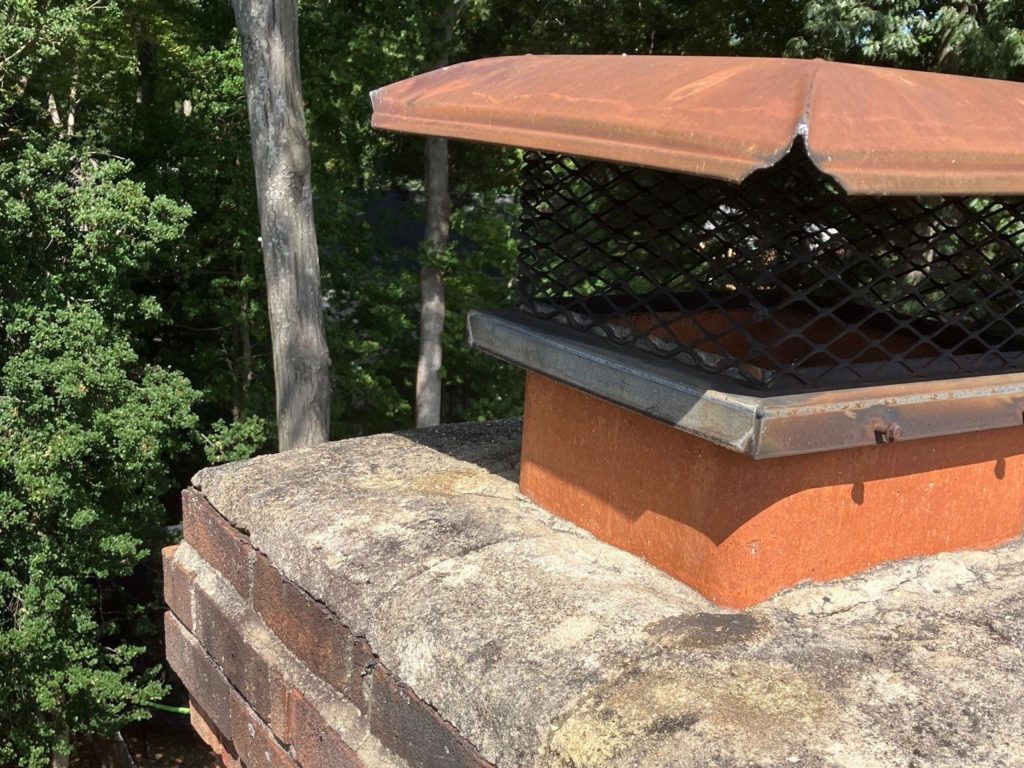
The National Fire Protection Association (NFPA) recommends a chimney inspection once a year for any chimney in regular use. The best time to schedule it is late summer to early fall, between August and October. Certain events, like a chimney fire, a home sale, or a major storm, call for an inspection right away, regardless of the annual schedule.
The Best Time for an Annual Chimney Inspection
Late summer through early fall (August to October) is the best window for a Chimney Inspection Services, for three reasons:
- Creosote has settled. By late summer, the chimney has sat unused since the last fires of winter or spring. Creosote from the last heating season has dried, which makes it easier to inspect and remove.
- Scheduling is easier. Once temperatures drop, chimney companies get busy fast. Booking in August or September means getting an appointment that fits your schedule instead of whatever is left after the first cold snap.
- Repairs happen before you need the chimney. If the inspection finds a problem, like a cracked crown, a damaged liner, or mortar joints that need repointing, there’s time to fix it before winter. Masonry repairs also hold up better when done in warm weather.
When You Need an Inspection Outside the Annual Schedule
Some situations call for a Chimney Inspection Services right away, no matter when the last one happened.
Buying or selling a home with a fireplace. A chimney inspection is a normal part of due diligence in a home sale. NFPA 211 calls for a Level 2 inspection, which includes a video scan, for a property transfer. It gives a documented record of the flue liner’s condition and can catch problems the seller didn’t know about or didn’t disclose.
A chimney fire happened, even a small one. A chimney fire that burns briefly and goes unnoticed can still crack the flue liner tiles and open gaps in the flue system. NFPA 211 requires a Level 2 inspection after any known or suspected chimney fire. Don’t use the chimney again until that inspection is done.
A major storm hit the property. High wind, hail, and severe weather can damage a chimney cap, shift flashing, crack the crown, or knock mortar loose. An inspection after a storm confirms whether repairs are needed before the next use.
There’s a smoke smell when the fireplace isn’t in use. A persistent smoke odor, especially on warm or humid days, usually points to creosote buildup in the flue or a draft problem. Either one is worth checking rather than waiting for the next annual visit.
You moved into a home with no inspection record. If there’s no documentation of a recent inspection, get one before using the fireplace. Without it, the previous owner’s usage history, past repairs, and the flue’s current condition are all unknown.
The chimney sat unused for a year or more. A chimney that hasn’t been used in a year or longer can develop animal nests, debris buildup, moisture damage, or liner wear during that time. An inspection confirms it’s safe to use again.
What Happens If You Delay an Inspection
A Chimney Inspection Services is the only way to check the condition of parts you can’t see from inside the house or from the yard.
Problems that go unchecked tend to get worse, not stay the same:
- A small (Stage 1) creosote deposit that a standard sweep could handle turns into Stage 2 or Stage 3 buildup that needs rotary cleaning.
- A hairline crack in the crown widens into a gap that lets water in through a full winter.
- A minor flashing seal issue becomes an active leak that damages masonry over several seasons.
Fixing a problem at the annual-inspection stage almost always costs less than fixing the same problem after it has had time to get worse.
Spring vs. Fall Inspections: Which Is Better?
Both have value, and they serve different purposes.
A fall inspection (ideally August or September) confirms the chimney is ready before the first fire of the season. It’s the right call for homeowners who want to check things before active use begins.
A spring inspection, done after heating season ends, shows what winter actually did to the chimney. It catches the past season’s creosote buildup, flags any freeze-thaw or moisture damage, and gives a full summer to make repairs at a comfortable pace.
Most homeowners only need one inspection a year. Homeowners who use their fireplace often, several times a week through a long winter, may benefit from both a pre-season and a post-season check.
Frequently Asked Questions
Is it too late to schedule a chimney inspection in winter?
No. Late summer and early fall are ideal, but a chimney inspection is appropriate any time it’s been over a year since the last one, or after a triggering event. If you’ve been using a fireplace this winter without a current inspection, schedule one as soon as possible.
What level of inspection do I need?
A Level 1 inspection is the annual standard for a chimney with a known service history and no recent changes. A Level 2 inspection, which includes a video scan, is required for real estate transactions, after a chimney fire, or after relining or other system changes. Call 833-CHIMNEY for guidance on which applies to your situation.
How long does a chimney inspection take?
Most residential inspections take 45 minutes to an hour and a half. You’ll get a written report with photos documenting what was found.
Can I schedule an inspection and cleaning in the same visit? Yes. A Step in Time offers a combined Level 1 inspection and chimney sweep, the most common way homeowners prepare for heating season.
Schedule Your Chimney Inspection
A Step in Time Chimney Sweeps serves Virginia Beach, Richmond, and Northern Virginia, with inspection services available year-round.
- Level 1 chimney inspection
- Inspection and cleaning combined
Call 833-CHIMNEY to schedule.